 Osmia
Osmia
The name Osmia
How Osmia got its name
The name came out of an old drawing, an idea I had carried with me for years, and a series of things I only learned about the bee after the project had already begun.
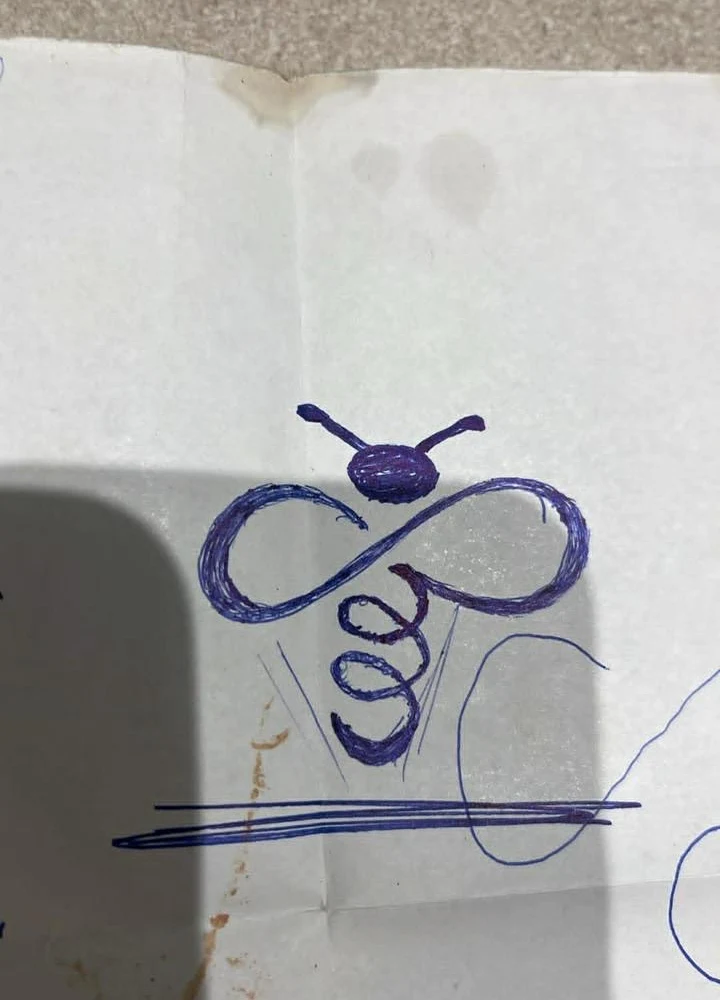
The drawing
Long before the app existed, I was trying to give an idea a shape on paper. Drawing has never been one of my strengths, but I made one sketch that I became strangely attached to. It was a simple spiral opening upward into an infinity shape, and when I looked at the whole thing I could also see a bee. There was no company behind it and no plan to turn it into a logo. I simply liked the drawing enough to keep it, and it travelled with me for years through different countries and different versions of what I thought I was going to do with my life.
By the time the idea that eventually became Osmia started taking form, I still had it.
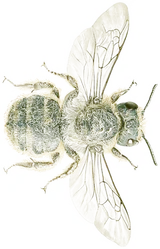
Finding the name
Around the same period, I had become interested in the idea of osmosis. I was not using the word scientifically. What stayed with me was the image behind it: change happening gradually through contact rather than through force. When I later came across the name Osmia, it immediately caught my attention. Osmia is a genus of mason bees, and suddenly two things I had already been carrying separately came together: the association I had with osmosis and the bee in the old drawing.
That was enough to make me stop at the name, but what made it stay was what I found out afterwards.
The bee
Osmia are solitary bees. There is no queen directing a colony and no worker caste. Each female builds and provisions her own nest, but solitary does not necessarily mean isolated. When conditions are good, many Osmia can build their individual nests close to one another.
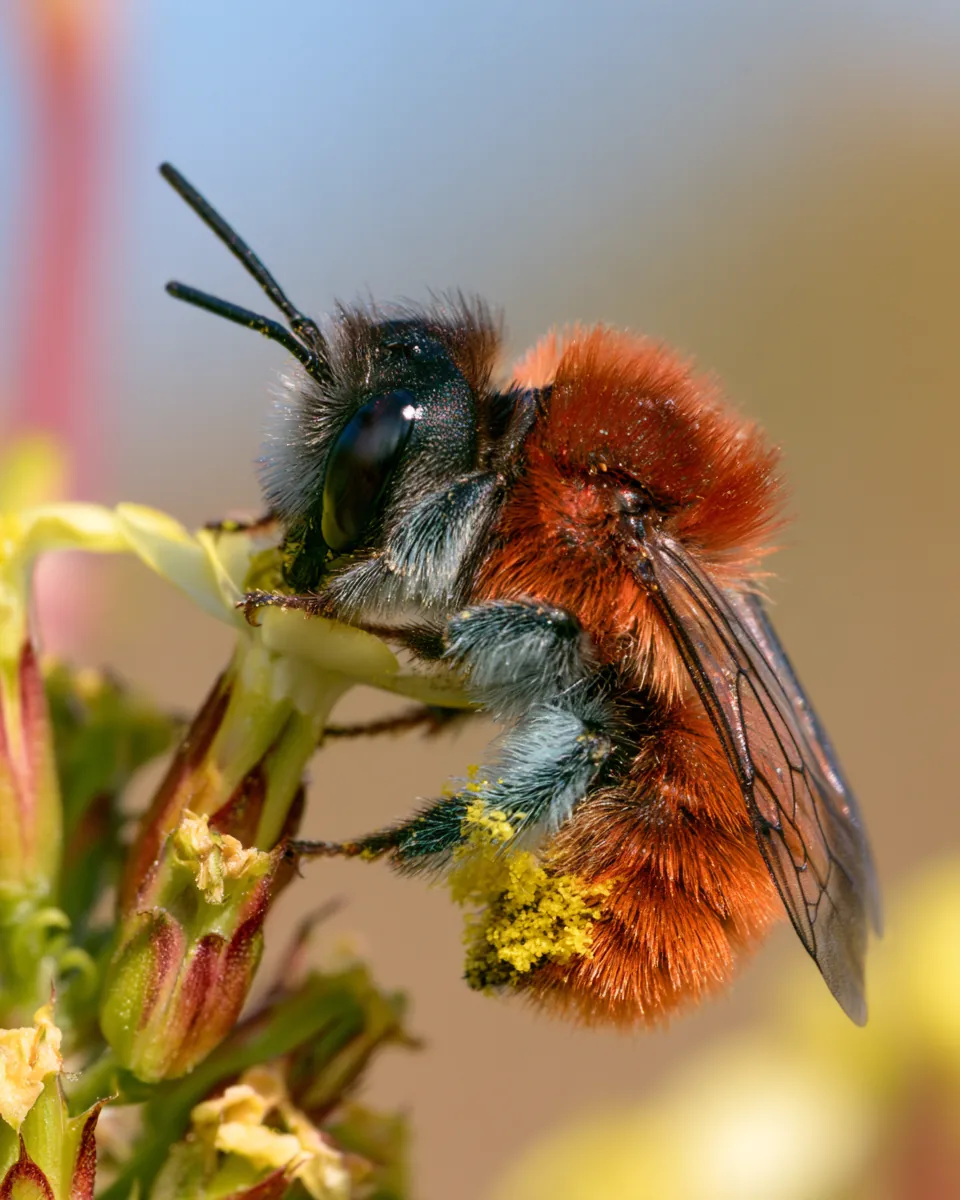
I liked that because it described something I had already been thinking about for a long time. I do not believe that community should require people to become alike, or that belonging should come at the cost of individuality. The kind of community I want to build around Osmia is much closer to people living their own lives, following their own direction and choosing to spend parts of those lives together. It is one reason the project has never made sense to me as only an app. The app is personal by design, but the larger idea has always included physical spaces, gatherings and experiences where people can meet without being asked to fit into one prescribed way of living.
What I learned later
The connection became stranger when I started reading more about the bees themselves. The name Osmia is not derived from osmosis; it comes from the Greek osmē, meaning smell. The connection I had made with osmosis was simply my own association with the word.
Smell, however, turns out to matter to the bees themselves. Research on Osmia cornuta shows that females use visual information to find their way back toward the nest and olfactory cues to recognise their own nest entrance among others nearby. The scent associated with the nest can also change over time, which means the bee has to keep updating what it recognises as home. I only discovered that after the name had already been chosen.
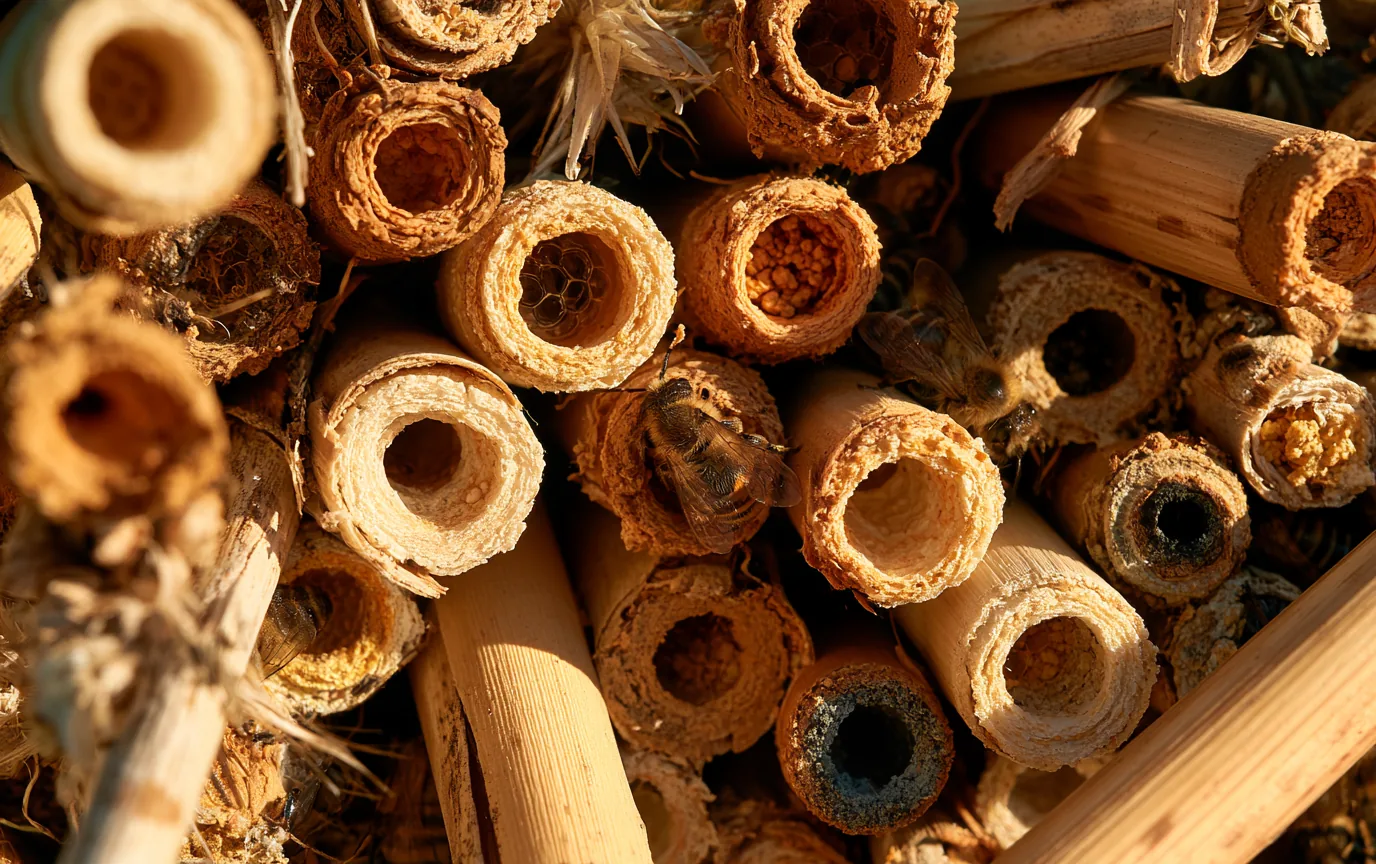
It was difficult not to notice the parallel with what we were building. Osmia also needs to keep receiving new information about a person's life and updating its understanding as that life changes, rather than fixing the person into one permanent interpretation. That obviously does not mean the biology of a mason bee somehow explains the product, but the similarities became increasingly hard to ignore. At some point, the symbolism starts becoming suspiciously convenient.
Why it stayed
A name does not need to explain an entire project, and I would not want Osmia to become a long exercise in bee metaphors. This one simply continued to feel right as the project became clearer. The original drawing was still there. The idea of gradual change was still there. The independence of the solitary bee fit the way we wanted the app to relate to the person using it, while the way these bees can live alongside one another without becoming a colony fit the kind of community we wanted to build around it. Then, much later, I learned about scent, recognition and a template that has to keep changing as the environment changes.
None of those things created Osmia. We did not design the project around mason-bee biology and then search for a name that would make the story work. The order was almost the opposite. I do not know whether to call all of that synchronicity, but I know we did not manufacture it. That is enough for me.
Sources
- How to Manage the Blue Orchard Bee as an Orchard Pollinator - Bosch & Kemp, USDA-ARS and the Sustainable Agriculture Network, 2001
- Osmia - Treccani, Vocabolario on line
- Individual Scent-Marks of Nest Entrances in the Solitary Bee, Osmia cornuta - Frahnert & Seidelmann, Insects, 2021